From a golfing family to representing Wales, Scott Mayo reflects on ambition, expectation and the challenge of enjoying how far he has come while still wondering how good he could become.

Key Takeaways
- Scott reflects on the expectations he brought from golf into pickleball.
- Competing at different levels made him question what he wants from the sport.
- Coaching, representing Wales and friendships are part of how he measures success.
Sport has always been my sanctuary. My meditation. The place where I find some of the most joy in life. Before pickleball, that sport was golf. I got down to a handicap of two, competed at county level, shot bogey-free rounds and had two holes-in-one. By most normal measures, I was pretty good.
The problem was that ‘pretty good’ looked slightly different in my family.
My brother became a professional and is now an incredible golf coach, while my dad, Paul Mayo, was a tour professional who played in numerous Opens, won the British Amateur Championship and walked the undulating fairways of Augusta at The Masters. Golf wasn’t simply something my family played. Excellence in it was all around me. There was never any pressure from them to follow the same path, but when those are the footsteps in front of you, it is difficult not to notice the size of the shoes you are trying to fill.


Perhaps that is partly why I never fully committed to golf. I liked it, but I didn’t love it, and being good at something wasn’t enough to make me want to dedicate my life to it. I was a high-achiever in education and generally picked up sports quickly, so there was always something else to turn my attention towards rather than finding out exactly how far I could take one thing.
I’ve previously heard this described as the ‘competency curse’: get competent quickly, enjoy the rapid improvement, then find something else to learn. And oh, how righteous and lucky to have such a great ‘curse’, you may suggest. I understand how ridiculous it sounds. I’m the one writing this and thinking it. But there is another side to constantly being quite good at things. You become accustomed to progress coming quickly, and when it doesn’t, it can be easier to move on than to find out where the limits of your ability actually sit.
Eventually, I fell out of love with golf completely and knew I needed another sporting pursuit. It could easily have been badminton. At one point, it genuinely could have been rounders.
Instead, through complete happenstance, it was pickleball.
And for that, I will forever be grateful.
There wasn’t one great moment when I realised pickleball might become something more. It happened gradually. I climbed through local leagues, started searching for stronger games and then entered my first tournament, the 2024 English Open, alongside Joel Baker. Somehow, we reached the 3.5 men’s doubles final and realised that competitive pickleball was even more fun than recreational pickleball.
Things moved quickly from there. A calendar full of pickleball events, travelling to play abroad, representing Wales in the European Championships and becoming a Welsh National triple crown champion. Occasionally, these days, someone will even ask for a photograph with me at a tournament or coaching session and my usual reaction is to laugh.

With me?
Perhaps that reaction says more about me than it does them. My instinct has always been to put achievements into context rather than simply enjoy them. Win in Wales and I’ll think about the standard elsewhere. Win a medal abroad and I’ll think about the players who weren’t there. Reach one level and I’ll immediately look towards the next.
I am what I have come to call a professional amateur.
And recently, I was given a fairly brutal reminder of exactly what that means.
At the English Open, I entered the Open men’s doubles category and came up against some of the top players from around the world. They annihilated us. There is no eloquent sporting language required. At one point, I genuinely looked across the net and saw one of the players yawning. By the end of the day, our total points tally wouldn’t even equate to an age old enough to legally buy a pint in the UK!
Humbling doesn’t quite cover it.
Yet during that same weekend, I medalled in the category immediately below, in the 4.5+ mixed doubles. Within a matter of days, pickleball had shown me two completely different versions of myself. At one level, competitive. At the next, completely outclassed.

I came away wanting to quit.
But I also came away wondering whether the problem was pickleball, or the expectations I had attached to it.
When I hold myself to high standards, success can start to feel like the minimum rather than something worth celebrating. Win, and it’s what I expected. Lose, and I’ve fallen short. I’ve always had low forgiveness and high expectations of myself, which means I’ve probably spent more time thinking about what I haven’t achieved than appreciating what I have.
The English Open forced me to confront that.
How good do I actually want to be?
Wanting something and being willing to live the life required to achieve it are two very different things. James Clear puts it better than I ever could:
“To crave the result but not the process, is to guarantee disappointment.”
That just about sums it up.
Part of me wants the result. I want to know how good I could become. I genuinely believe that if I’d discovered pickleball as a teenager, or arrived with years of high-level tennis behind me, I could have got close to being a top-level player. Even now, I wonder what would happen if I stopped coaching, drilled several times a week and organised more of my life around becoming a better player.
But do I actually want that process?
Because every choice has a cost.
An hour coaching someone else is an hour I’m not training myself. An evening drilling is an evening taken from work, relationships or the rest of life. Many of Britain’s best players have also hit thousands upon thousands of balls before I had even heard the word pickleball.
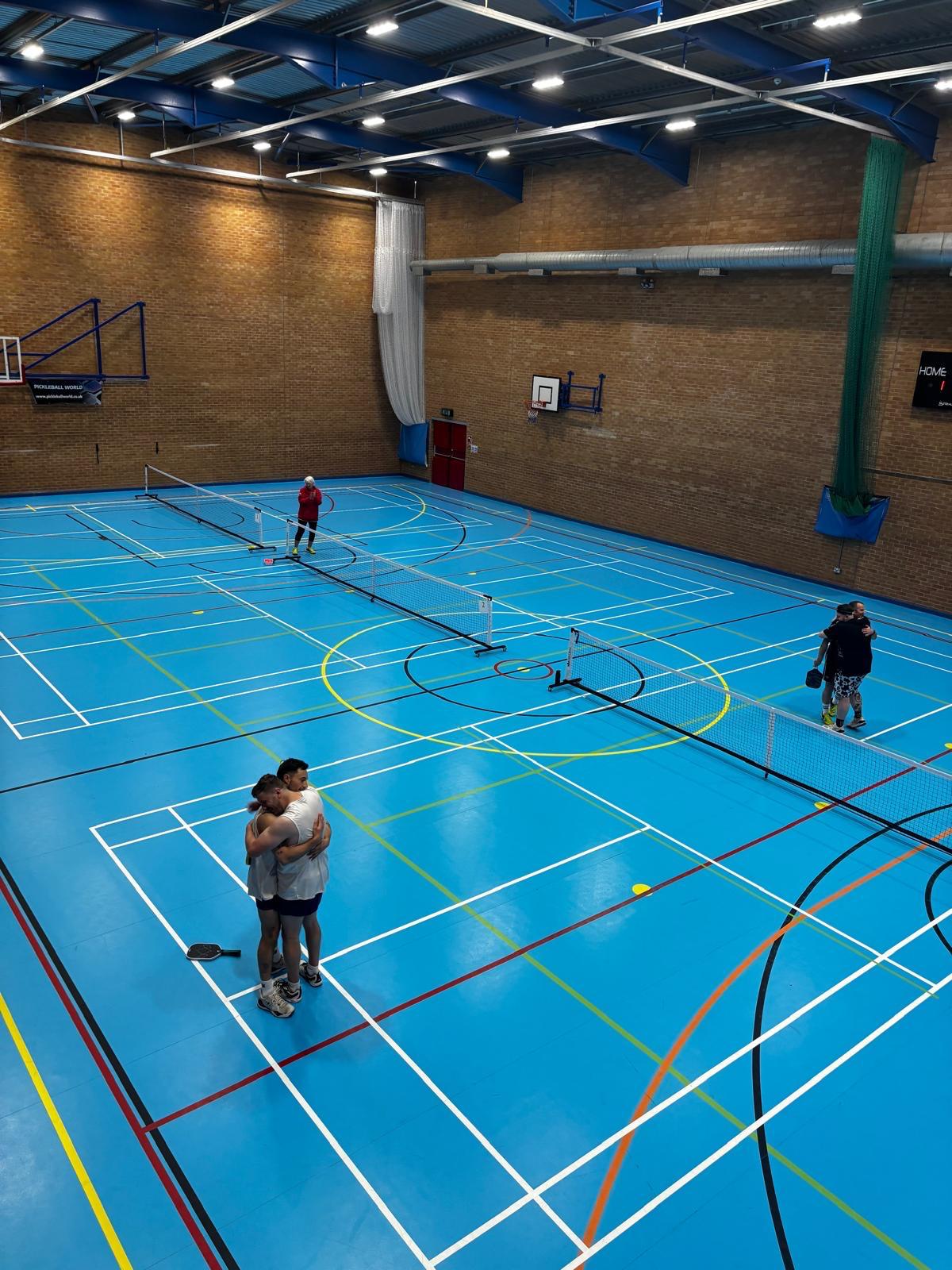
I can’t compete with history.
I can’t compete with a past I never had.
And yet I wouldn’t change that past anyway. Whenever I find myself looking at someone else’s success, I ask myself one question: Would you actually swap lives with them? Not just their pickleball ability. Everything. Their family, relationships, experiences and mind.
I’ve never answered yes.
So maybe the answer isn’t quitting. Maybe it’s reframing.
I can’t give myself the years of pickleball development I sometimes wish I’d had, but perhaps I can help give them to somebody else. Ultimately, I want Wales to reach a point where other countries don’t simply see us as happy to be competing at European and World level. I want them to see Wales and think, they’re competition.

But writing this piece has made me realise something else.
I’ve spent a lot of time talking about what I could have been, as though at 29 my opportunity to improve has somehow already disappeared. Yet some of the people I’ve had the privilege of interviewing for this magazine have taught me the exact opposite. I recently wrote about Justine Steven, still competing, still learning and still wondering how good she can become in her fifties.
So what on earth am I talking about?
Perhaps that’s one of pickleball’s greatest qualities. The pursuit doesn’t end. The age categories move with us. Our games change. Our opponents change. Our bodies change. But there is always something else to learn and another version of ourselves to chase.
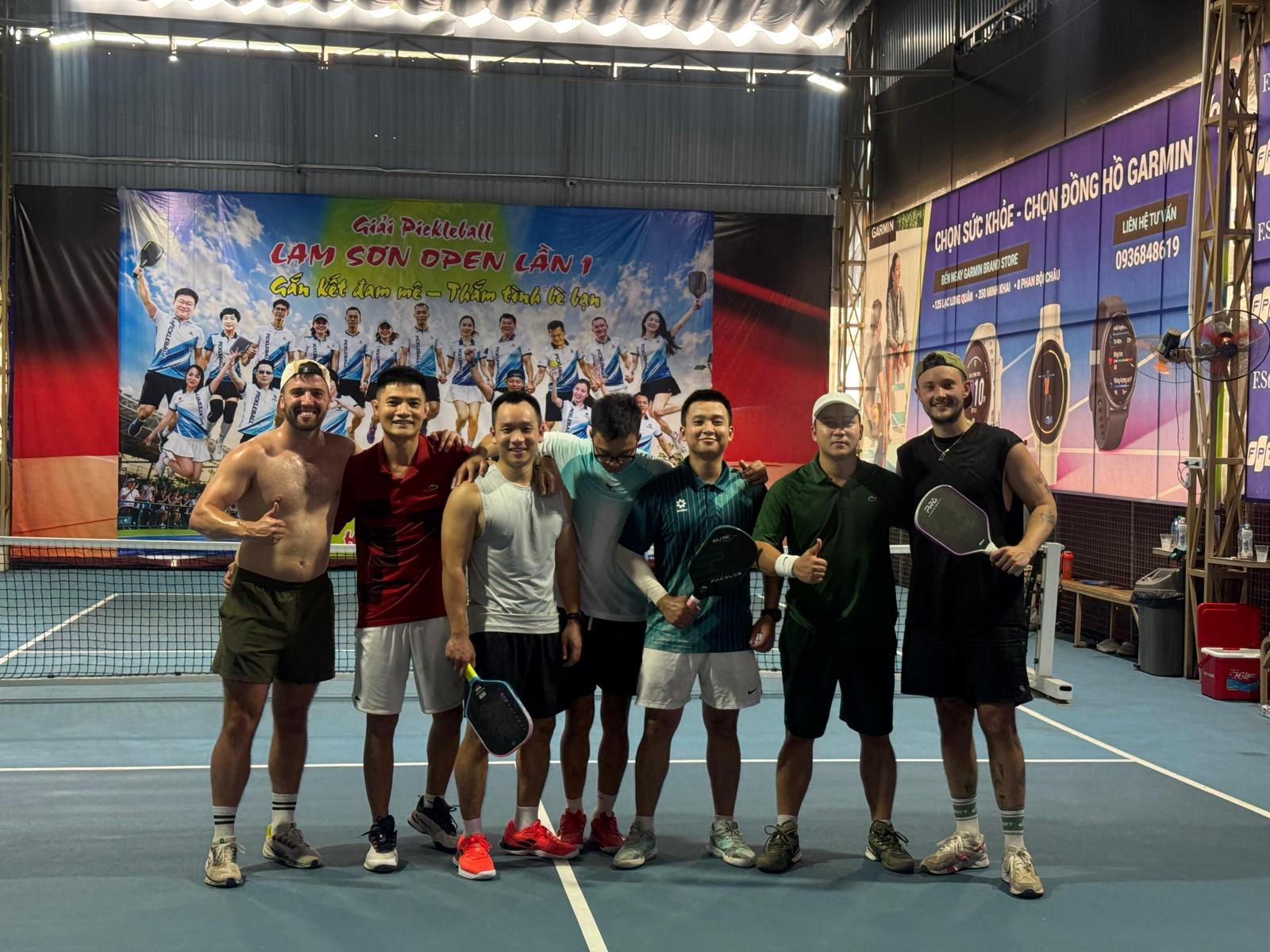
Pickleball gave me purpose when I needed it. Since then, it has taken me to beautiful places and taught me about friendships, partnerships, teamwork and people. There has been laughter, tears, success and disappointment. It sounds generic, but it really has become part of the rich tapestry of life.
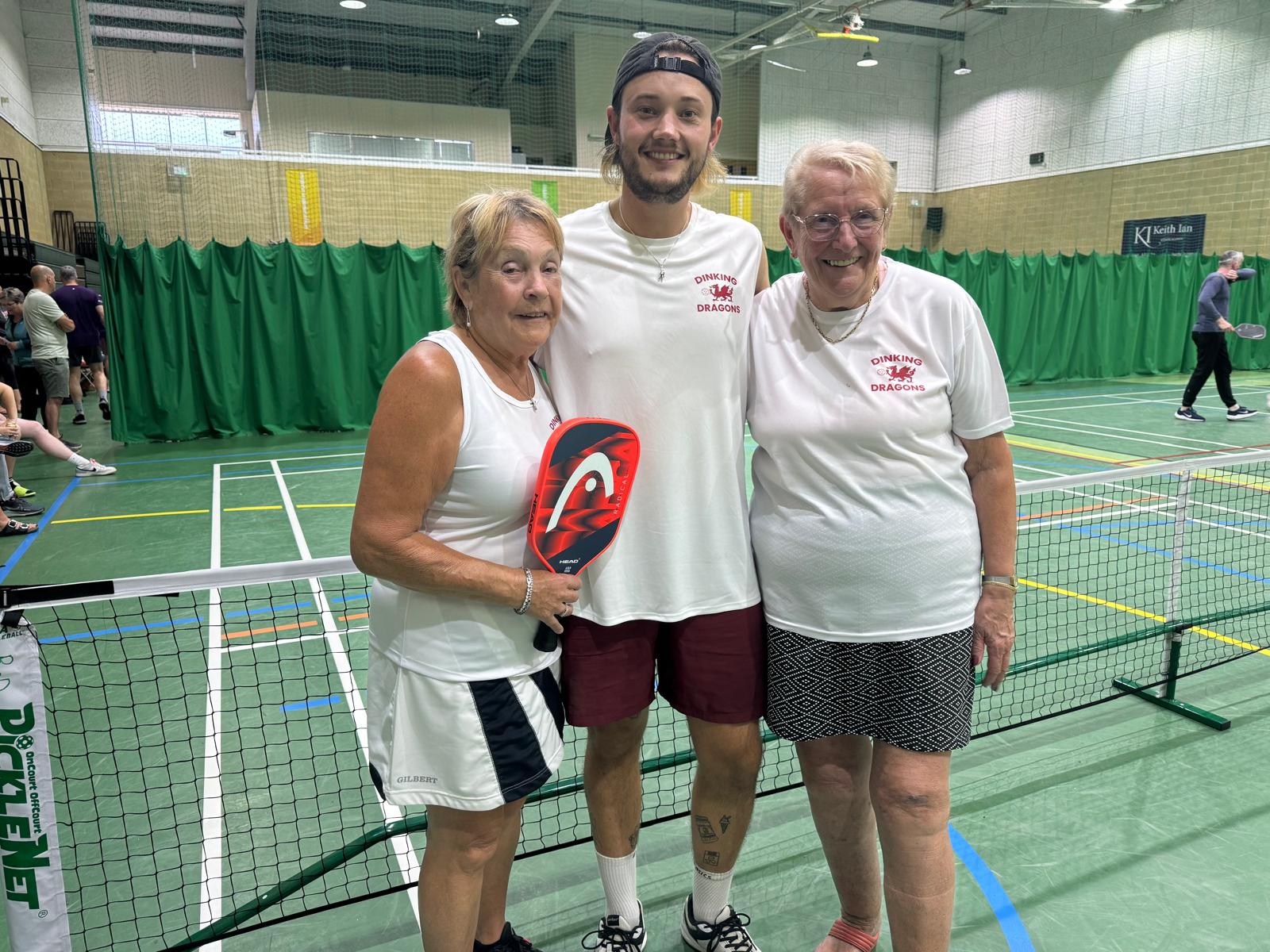
Maybe being a professional amateur isn’t about accepting your ceiling. Maybe it’s about being honest with yourself and the opportunity cost of life, whilst also taking time to celebrate the wins no matter how big.
When I think about 50-year-old me, I don’t want him standing on the sidelines talking about what he achieved in his twenties.
I want a paddle in my hand, competing as the best professional amateur I know I can be.
And to whoever this story resonates with, I hope you can find a way to do the same.
Further Reading